


Former KwaZulu-Natal Judge President Achmat Naeem Jappie passed away on Wednesday morning after an illness
Image: Facebook
Judge Achmat Naeem Jappie was born in Gqeberha (Port Elizabeth), but spent almost his entire life in Durban.
I first got acquainted with Judge Jappie when we were students at the University of Durban-Westville around 1975. I was a few years ahead of him, and his best friend Shyam Gyanda. They later became advocates, members of the esteemed Advocates Group Seven, and subsequently appointed senior counsel and judges of the high court.
Two chief justices, two judges president, numerous judges and several senior counsel cut their teeth as members of Group Seven in Salmon Grove Chambers, Durban.
Judge Jappie was also among the corps of advocates briefed to appear in the Eastern and Northern Cape in the late 1980s to represent persons and organisations in the courts charged with civil unrest, murders, arson, etc, at a time when our country was experiencing rampant strife. His fluency in Afrikaans stood him well in numerous cases that were purposely not conducted in English. Clients would insist that he and his colleagues should not speak Afrikaans in court as it was considered the language of the oppressor.
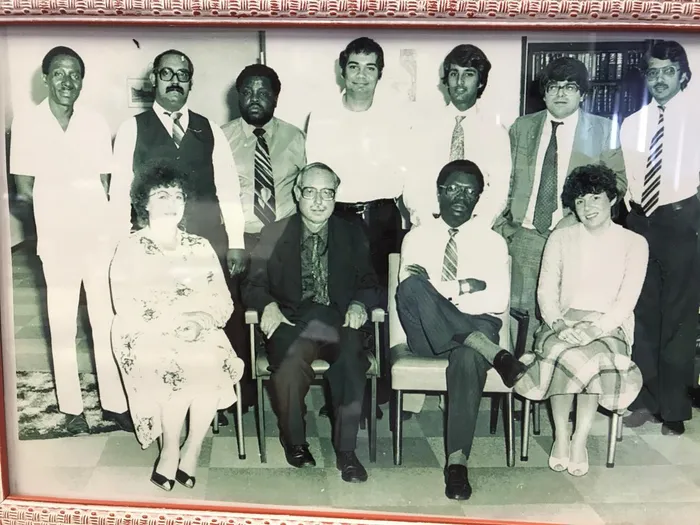
A youthful advocate Achmad Jappie taken at Advocates Group Seven, Salmon Grove Chambers, Durban, circa 1982. Other members were absent when this impromptu photograph was taken by the POST photographer MS Roy.
Image: Supplied
Judge Jappie quickly developed an excellent reputation as a diligent advocate whose mild manner, scholarship and humour became his hallmarks.
His practice expanded rapidly. He appeared in several courts around the country handling civil, criminal and commercial matters.
Judge Jappie was an avid reader of biographies of legal luminaries, both from South Africa and elsewhere, as was borne out by his extensive library, most of which together with humorous figurines are still to be found at the high court premises. In fact, most times I would encounter him in the shopping malls at bookshops or sitting alone at a coffee shop, reading. His tastes in literature ranged from humour (the Rumpole of the Bailey series comes to mind) to serious books on legal philosophy such as those of Richard Posner, works by Arundhati Roy, Shashi Tharoor, VS Naipaul and Phillipe Sands, and sayings attributed to Rumi (a Sufi mystic and poet), to name just a few which illustrate the eclectic nature of his interests.
He was also a lover of music of all genres. His discourse and debates with lawyers in court was often peppered with wit and humour with a line or two from William Shakespeare to lighten up proceedings. On one occasion in court while determining the allocation of matters, he was to told dramatically that a trial could not proceed because an expert required to testify was 30,000 feet above sea level. On further probing we all burst out laughing when Judge Jappie learnt from the junior advocate concerned that the witness was en-route to South Africa from abroad.
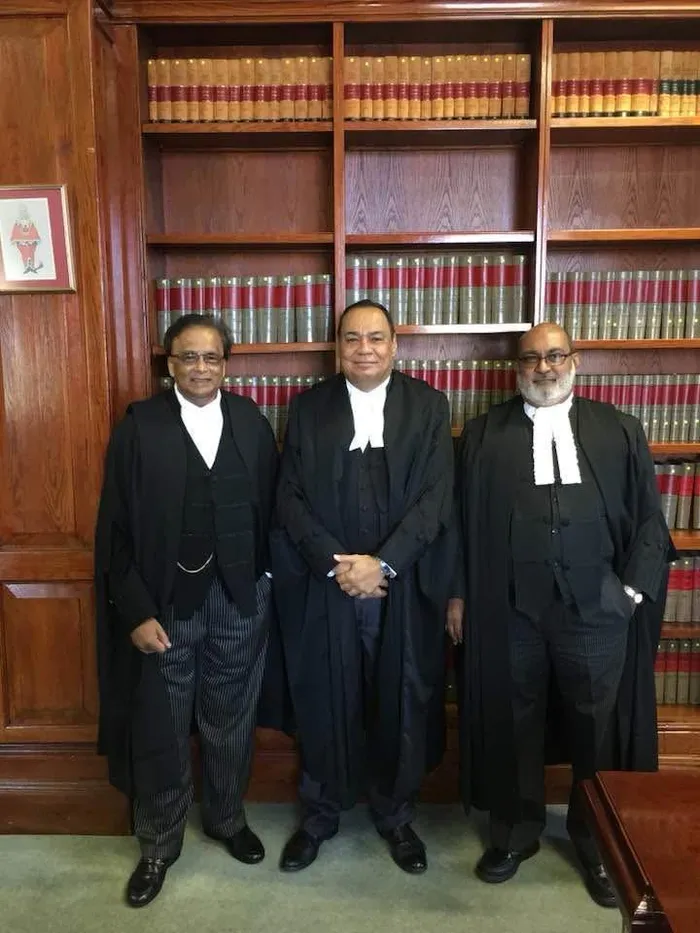
Rajesh Choudree SC, Judge Achmat Naeem Jappie and Judge Shyam Gyanda.
Image: Supplied
His easy-going manner and lack of ostentatiousness enabled easy interaction not just with the legal fraternity, but also with society in general. He lacked pomposity and did not take himself seriously, but would let his work speak for him. He would also attend social engagements as he believed that if people took the time and trouble to invite him, then the least he could do was to reciprocate by his attendance.
We will not see the like of such a judge again who lightly wore the vestments of the high offices that he occupied. He was not only the judge president but also served as a judge of the Labour Appeal Court and the Constitutional Court.
He delivered many judgments that created legal precedent, and was also appointed to preside over misconduct inquiries involving judges from other provinces. That was testament to the esteem and respect in which he was held by his peers.
Judge Jappie had three children and two grandchildren whom he cherished.
He presided over difficult cases and was not work shy. In his distribution of work to his colleagues, he was noted for taking on the most difficult ones himself.
He presided over the complex trial involving the leadership contest of the Shembe Church. I appeared against advocate Findlay SC in that matter, and all parties agreed that he handled the long-running hearing with aplomb and patience as the history of the church was traversed in minute detail. Judge Jappie also showed great patience in dealing with the complexities of the testimony from many witnesses and four of South Africa’s most eminent handwriting experts.
I do not doubt that as a lover of fountain pens and manuscripts, Judge Jappie would have listened to such evidence with an especially keen interest.
In the past week, the electronic and print media have been replete with tributes to Judge Jappie from his colleagues, President Cyril Ramaphosa, the Judicial Service Commission and civil society. His humility permeated his every act, and he will always be remembered for that quality.
We looked forward to Judge Jappie taking on arbitrations during his retirement, but that was not to be. I pray that his soul rests eternally in peace and that his family finds consolation in his achievements. Judge Jappie was a devout Muslim and it is appropriate to end this tribute thus: "Indeed we belong to Allah and indeed to him we will return.”
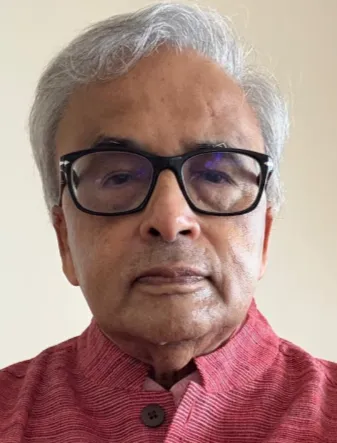
Rajesh Choudree SC
Image: Supplied
Rajesh Choudree SC is a practising advocate and barrister of the High Court of Australia, co-leader of Advocates Group Seven and former United Nations staff member.
** The views expressed do not necessarily reflect the views of IOL or Independent Media.