

This year, Child Protection Month must become more than a symbolic observance. It must force us to confront two uncomfortable realities: our fragmented response to statutory rape is failing children, and society continues to overlook the abuse suffered by boys, says the writer.
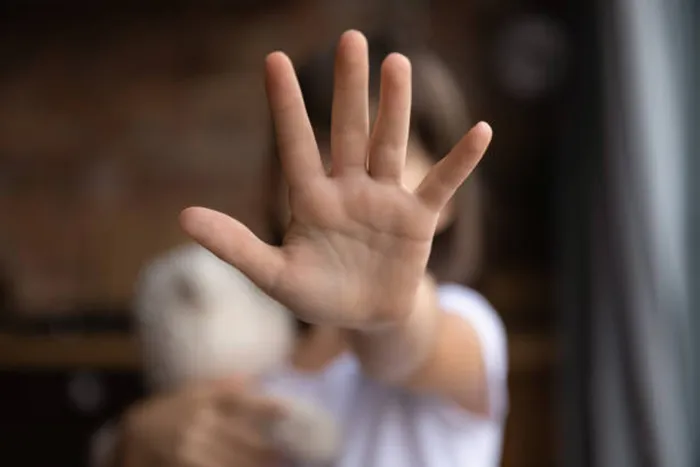
Image: Child Protection Month
Every Child Protection Month, South Africans are reminded that children are the future of our nation and that their safety is everyone’s responsibility. Posters are displayed, awareness campaigns are launched, and public commitments are made. Yet, despite these annual declarations, children continue to experience sexual abuse, exploitation, neglect, and violence at alarming rates.
This year, Child Protection Month must become more than a symbolic observance. It must force us to confront two uncomfortable realities: our fragmented response to statutory rape is failing children, and society continues to overlook the abuse suffered by boys.
The growing number of teenage pregnancies, sexual offences involving minors, and cases of exploitation involving young children, should concern every South African. Behind every statistic is a child whose life has been altered by trauma, silence, and systemic failure.
One of the most concerning aspects of statutory rape cases is the lack of co-ordinated responses between sectors tasked with protecting children. Time and again, children disclose abuse only to become trapped in systems that are poorly connected and painfully slow.
A teacher may suspect abuse, but struggle to navigate referral systems. A social worker may intervene, but face delays in obtaining police co-operation. Healthcare workers may identify clear indicators of sexual abuse while investigations stall because of administrative inefficiencies or a lack of communication between departments. Families are often left frustrated, traumatised, and unsupported while perpetrators continue to move freely within communities.
Children deserve better than fragmented systems
Protecting children cannot rest solely on the shoulders of one department or organisation. Effective child protection requires strong inter-sectoral collaboration between schools, healthcare providers, social workers, law enforcement agencies, prosecutors, community leaders, and child protection organisations. When these systems fail to communicate and co-ordinate effectively, children are retraumatised, and justice is delayed.
The consequences are devastating
Far too many children lose confidence in adults because their disclosures are met with disbelief, delays, or indifference. In some cases, victims are blamed while perpetrators are protected because they are respected figures within communities, churches, or families. We cannot continue to normalise exploitative relationships involving minors simply because the perpetrator provides financial support or holds social influence.
Child protection demands moral courage. Adults must be willing to challenge silence, confront harmful cultural attitudes, and prioritise children over reputations.
At the same time, Child Protection Month must also broaden the national conversation around who the victims are. While girls remain disproportionately affected by sexual violence, we cannot continue to ignore the reality that boys are victims too.
The abuse of boys remains one of the least acknowledged issues within child protection.
Many boys grow up in environments where vulnerability is discouraged, and emotional expression is seen as weakness. From a young age, they are taught to “man up”, remain silent, and suppress emotional pain. These harmful gender expectations create dangerous barriers to disclosure.
As a result, many boys who experience sexual abuse, physical violence, or emotional trauma suffer in silence for years.
Some fear ridicule. Others fear they will not be believed. Many internalise shame and confusion, particularly in cases of sexual abuse. Instead of receiving support, they are often left to cope alone with deep psychological wounds that later manifest through aggression, depression, substance abuse, isolation, self-destructive behaviour, or violence.
Trauma does not discriminate by gender. Yet many child protection campaigns still unintentionally reinforce the idea that abuse only happens to girls. When awareness programmes fail to include boys in conversations about safety, consent, and abuse; boy victims become invisible.
This invisibility is dangerous.
If boys do not see themselves represented in child protection messaging, they are less likely to identify their experiences as abuse and less likely to seek help. Communities, schools, and families must therefore become more intentional about creating safe spaces where boys feel heard, protected, and supported.
We must teach boys that speaking out is not a weakness. It is courage.
We must also equip parents, teachers, coaches, faith leaders, and caregivers to recognise warning signs that a boy may be experiencing abuse. Sudden aggression, withdrawal, declining school performance, substance abuse, anxiety, and behavioural changes should never be dismissed as “boys being boys”.
Children communicate distress differently, and adults have a responsibility to pay attention.
Most importantly, South Africa must move beyond awareness campaigns and commit to sustained action throughout the year. Child Protection Month should not be reduced to speeches and hashtags, while children continue to suffer behind closed doors.
We need specialised training for professionals dealing with child abuse cases. We need faster investigations and child-friendly court processes. We need improved psychosocial services for victims and families. We need stronger prevention programmes in schools and communities. And above all, we need systems that place the child at the centre of every intervention.
Protecting children is not optional. It is a societal obligation.
The true measure of any society lies in how it protects its most vulnerable members. Children should not have to fight for safety, dignity, or justice in the very communities meant to protect them.
This Child Protection Month, South Africa must move beyond rhetoric, and confront the realities facing children with honesty and urgency. Strengthening inter-sectoral responses to statutory rape and recognising the abuse suffered by boys are not separate issues – they are both essential to building a child protection system that leaves no child behind.
Every child matters. Every disclosure matters. And every child deserves to grow up safe from harm.
** The views expressed do not necessarily reflect the views of IOL or Independent Media.