

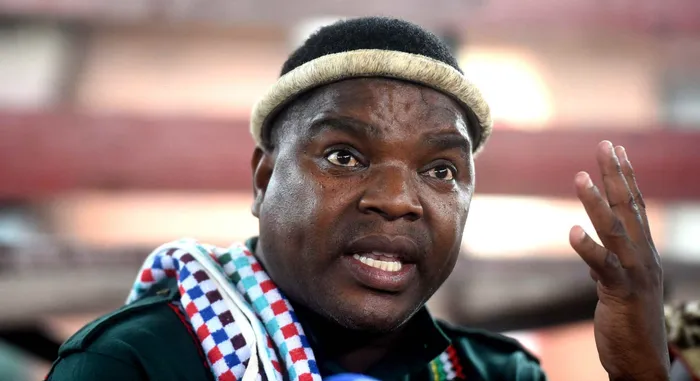
Ngizwe Mchunu
Image: Itumeleng English/Independent newspapers
THE recent wave of toxic rhetoric on the Bhinca Nation podcast, led by host Ngizwe Mchunu and his co-hosts, is a chilling reminder that language is never neutral.
When public figures use their platforms to spread racist, xenophobic and tribalist rhetoric for digital engagement, they do not merely share opinions; they help create the conditions in which hatred can harden and violence can follow.
The Ahmed Kathrada Foundation was right to condemn the remarks. Of particular concern is the reported use of the slur “mkla”, a term intended to dehumanise Indian South Africans, mark them as outsiders, and cast them as legitimate targets for the country’s frustrations.
In a country as fragile as ours, we cannot afford to dismiss this as mere humour or commentary. South Africa has seen, including during the July 2021 unrest, how quickly inflammatory language can deepen fear, legitimise intimidation, and contribute to a climate of violence. When slurs enter the common digital vernacular, they erode the equality and dignity that leaders such as Uncle Kathy spent their lives trying to secure.
What is most troubling is how often repeat offenders appear to operate without meaningful consequence. Mchunu is no stranger to controversy.
In 2025, the South African Human Rights Commission found prima facie violations arising from his homophobic remarks, and directed him to retract and apologise. He has also been the subject of an interim high court interdict obtained by Julius Malema after the court found certain statements to be unlawful and defamatory. While Mchunu was acquitted on charges linked to the 2021 unrest, his public persona remains tied to a style of populist rhetoric that too often flirts with social fracture.
Mchunu, however, is not an isolated actor. He is part of a broader and dangerous pattern in which Indian South Africans are turned into a political punching bag. Readers will recall Malema’s 2017 remarks in KwaZulu-Natal, when he said Indians were “worse than Afrikaners”.
A complaint followed, but the larger lesson was how easily sweeping racial accusations can enter public discourse, and linger there long after the headlines fade.
The same pattern surfaced in the campaigning of the Mazibuye African Forum to exclude Indians from BEE benefits, and years earlier in the controversy around AmaNdiya, which the broadcasting complaints body found amounted to hate speech in substance, even though one broadcast of it in a bona fide current affairs context was treated differently. By the time institutions intervene, the damage to trust and social cohesion is often already done. A community has been vilified, the public mood has been poisoned, and the law arrives only after the fire has started to spread.
Yet if we are serious about confronting this rot, we must also be willing to look inward. Condemning Mchunu’s rhetoric is necessary, but it is not enough. Demagogues often draw power from grievances, perceptions and resentments that have been left unaddressed. We should be honest enough to ask what makes such rhetoric resonate in the first place.
Within the Indian community, that means a moment of honest introspection. There are recurring allegations of workplace exploitation, unfair business practices and social distance from the struggles of the broader African majority. We should not dismiss concerns about casual racism within our own circles or the power imbalances in businesses that can breed resentment. Addressing those failures does not validate bigotry; it weakens it by denying opportunists the grievances they exploit.
But introspection does not mean accepting abuse in silence. South Africa has stronger legislation in the form of the Prevention and Combating of Hate Crimes and Hate Speech Act, which was assented to in 2024, although its commencement and enforcement framework remain crucial if the country is serious about confronting hate-fuelled conduct.
That law signals a more serious national commitment to confronting hate crimes and hate speech. But legislation means little without enforcement. The SAHRC, Equality Courts, prosecutors and digital platforms must all act with greater urgency and consistency. If constitutional values are to mean anything online as well as offline, South Africans must see that public incitement and dehumanising speech carry real consequences.
South Africa belongs to all who live in it. Drawing a hard line against hate means more than outrage after the fact. It means accountability for those who inflame division, honesty within communities about our own failings, and a renewed commitment to the dignity of every person who calls this country home.
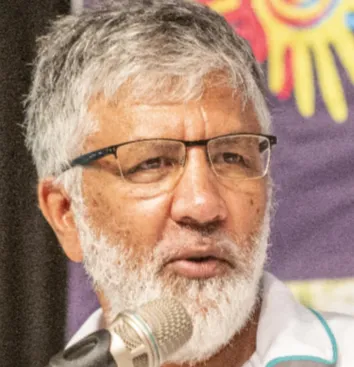
Neeshan Balton
Image: Supplied
Neeshan Balton is the executive director of the Ahmed Kathrada Foundation.
** The views expressed do not necessarily reflect the views of IOL or Independent Media.