

The writer says she is old school and prefers going to a store with her grocery list once a month and doing her shopping herself for a few reasons.
Image: File
I'M SURE that all of you have seen zillions of little scooters zipping in and out of traffic in a "Dash" to get your groceries "2U" in "60 minutes" or "ASAP". On-demand grocery shops has seen an unprecedented surge, mostly because remote working has become the norm and it is a real-time saving feature.
However, I’m not a fan just yet. I’m old school and prefer going to a store with my grocery list once a month, and doing my shopping myself, for a few reasons.
First, a complete stranger is doing my shopping for me. They have a trolley with a few paper bags, and set off at high speed with an electronic gadget in hand, picking up items as per your order. They do not necessarily look at brands or specials. Nor do they look as expiration dates. Most stores put the newer items at the back and the older ones in front.
Let’s take that loaf of bread, for example. A daily essential in most homes. The bread with an earlier expiry date is moved forward and the ones with the later expiry date is placed further back. The main marketing reason for rotation of stock is to sell the near expiry ones first ensuring a regular turnover, and more business as you are sure to return to the store to restock. And as we all know, one might just go in for bread and milk, and come out with a few extra items that your eye happened to be attracted to.
Second, we stand by certain brands. That in-store shopper may not pack that in our order or be more inclined to sell the store brand rather than what you are used to. Your order may say one 400g tin of jam. If you have not specified a brand and a flavour, you will get the in-store shopper’s choice.
Third, when it comes to fresh produce, you are not assured of the best tomatoes or freshest lettuce or gravy soakers. They simply do not have time to stand and examine fresh produce for bruises or softness, etc. And then there’s the question: will the in-store shopper get your order right?
My neighbour vented on the community chat last week that she ordered baby formula and received rabbit food instead. She is a bit of a drama queen, so I don’t know if her rant was genuine or not.
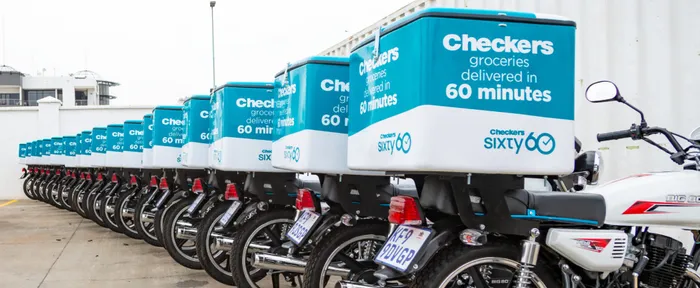
Fourth, let me not go to meat and dairy. How long has your order been standing out of the freezer from the time your order has been packed until it reaches you? Only one retailer offers you a delivery within an hour. I get that the top box is supposedly insulated, but how effective is it? And how clean is it? The top box has to be cleaned after every trip, and I have some reservations as to whether that really happens.
And lastly, how many times has your order been handled? The delivery guys pick up the orders from the store in their gloved hands, load it into the top box, drive the scooter to you and deliver with the same gloved hands. Covid has instilled a kind of thinking in us about constantly sanitising. When the order gets to the consumer, many among us will fold these paper bags neatly to use another time and keep it handy in the kitchen, where there may be a possibility of cross-contamination.
Personally, I prefer to use cloth shopping bags which can be popped into the wash after each use. Talking about an in-store shopper filling out your online order got me thinking about which retailer is executing the food orders of the Department of Correctional Services. I was flabbergasted to hear that the department paid over R3,700 for brown stock powder whereas the actual price is about R300. They also pay R25 for a loaf of bread and R720 for a litre of cooking oil.
There is a list of 25 items that are seriously overpriced. Either these items have been imported from Mars or have some magic power to be that highly priced. But we all know that it’s sheer corruption at play. An official tried to defend the price of the cooking oil, stating it was a capture error. What now? To add fuel to the fire, apparently this outsourced food delivery contract to the prisons is valid until 2030. An absolutely shocking state of affairs.
Out of sheer curiosity, I started to chat to a few of the delivery drivers. My chats revealed a few interesting facts. I erroneously assumed that they were employed by the retailer for whom they are doing the delivery. Much to my surprise, I discovered that they were employed by independent contractors. They do not have any benefits. They get free jackets to identify themselves (it’s a marketing tool). They have to hire the bikes, use their own data and fuel.
The wage is between R30 to 40 per delivery. From that, R5 per trip goes to the independent contractor as an admin fee. Obviously, the more deliveries the driver makes, the more they earn. But it’s not that simple, really. One retailer employs about 10,000 drivers countrywide. Only 30% are South Africans. Also, there is no wonder then, that sometimes they have a scrap among themselves to get the order.
I have seen a video of one such fist fight. While they were busy having it out over whose order it was, the groceries were sitting inside the top box. As you well know there are peaks and flows in grocery shopping. Trade picks up at month-end or when there are specials. Some days the delivery guys may only get 10 deliveries for the whole day which does not add up to very much wages for the day. I must say that after my chats with the scooter guys, I was quite sympathetic about their job. Its long hours, in rain or shine, lifting and carrying groceries, and then more times than not, no tip from the consumer.
As a community, we are not too generous with tips. Many say that they are paying a delivery fee, so there is no need to tip the driver. But here’s the thing, that delivery fee goes to the retailer, not the scooter guy. So the next time a little scooter makes a "Dash 2U" in "60 minutes" or "ASAP", spare a thought and give a small tip. Happy shopping. Until the next time.
** The views expressed do not necessarily reflect the views of IOL or Independent Media.