Deciphering dog’s emotion: What different kinds of tail wagging means
Published
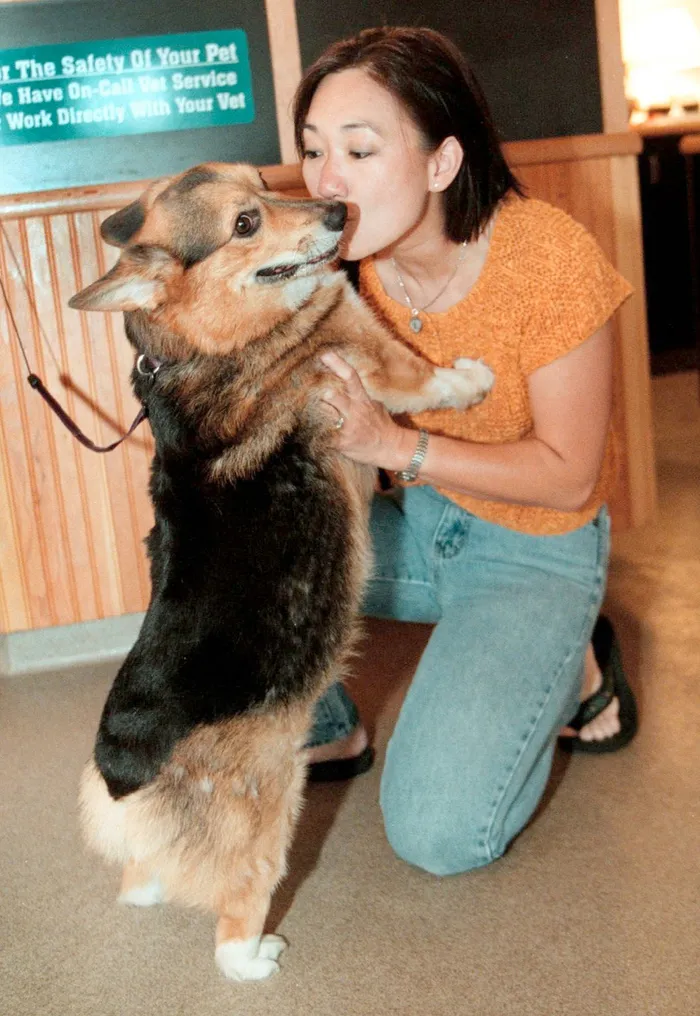
Pet owner Siu Poon says goodbye as she drops off Tails for a nine-day stay at Best Friends Pet Resort and Salon in Gaithersburg, USA. Picture: James A Parcell, Washington Post.
Johannesburg – Our furry friends are some of our favourite companions, and even though they can’t physically speak, there are ways to know what they are saying.
Experts believe that a wagging tail is a dog’s way of conveying emotions, and it depends on the position of the tail, the speed of the wag and the overall body language of the dog that allows humans to understand what the dog is feeling. Some say dogs can’t speak, we believe they can, with their tails.
Pet supply retailer Beeno explained that from being nervous to feeling threatened, there is a wag to express their feelings.
A tail really does tell a tale
Reading your dog’s tail and body language is the best way to know what your dog is trying to tell you, Beeno said.
“Just like different facial expressions in humans mean different things, different tail movements signal how your dog is feeling. It’s important to know dogs’ body language and to understand the different ways so that you can communicate better with your hound, and other dogs you may encounter while out and about.”
From tail positions to types of tail wags, here’s what your hound is feeling:
Note: Different breeds will have different tail positions, but below are a few general positions to take note of, and by observing your dog, you will be able to better understand what each movement means.
The happy wag
The Beeno Wag-o-Metre scale is about as happy as you can get. “You know the tail wag that’s often accompanied by a bum wiggle, and super cute floppy ears? Yup, that’s the one,” they said.
They added that this is often the wag you see when you come home after a day and you’re greeted by your much-loved and loyal hound. It’s a relaxed, but speedy wag and signals joy and happiness in your dog.
“If your dog is comfortable and in a familiar environment with his or her favourite people, this is the wag you should see. All you need to do is enjoy the happy energy, give lots of cuddles and a few Beeno treats.”
The excited wag
Beeno said that a tail held up higher than normal means the dog is alert.
“You’ll often see this high tail accompanied by a fast-paced wag, and this means your furry friend is happy or excited.”
“You’ll often observe this in the park or at the beach when your dog is happily playing with other dogs.”
The curious wag
The curious dog will usually have a horizontal tail that moves slightly from side to side, Beeno said.
“Whether Rover has spotted a bird in the garden, is sniffing the garbage or is watching the cat across the street, his curiosity will be seen in his tail wags.”
Other body language that usually goes with this tell-tale tail wag include widened eyes, forward-pointing ears, an upright posture, sometimes leaning slightly forward and a closed mouth.
“This tail wag doesn’t mean that your dog is happy, afraid, scared or threatened, but it signals that they are alert and wanting to check something out.”
Beeno added that depending on the situation, your surroundings and your hound’s nature, you may want to divert their attention and avoid a chase for the cat.
“This can easily be done by encouraging your dog’s curious nature through enriching games where you can reward them with treats, while keeping them engaged.”
The unhappy or aggressive wag
Dogs use their tails to show when they’re feeling upset or uncomfortable too.
“A dog that feels stressed and is likely to show aggression towards other people or animals if the situation doesn’t change quickly will have a tail that is stiff and points upwards, or one that arches over the dog’s back,” Beeno said.
“Their tail may wag or shake slightly in these situations too and you will probably see raised hackles, or hair, along their back.”
“If your dog shows signs that it is not happy then it’s best to determine the cause of them feeling stressed or aggressive and try to alleviate those feelings.”
The nervous wag
When dogs are scared, they will hide the tail under their body, and possibly wag it a little between its legs.
“A scared or anxious dog will need reassurance and a calm soothing voice to help him or her feel more secure,” Beeno said.
The fearful wag
“Let’s face it, we want to avoid anything that makes our best furry friends experience unhappiness, nervousness or being fearful but sometimes even the bravest of hounds will fear things like thunderstorms, fireworks, the new vacuum cleaner or a new person visiting your home,” Beeno said.
A fearful dog’s body language is like that of an anxious dog, with a tail tucked even further between their legs, as well as wagging or shaking back and forth, they explained.
“Other signs that your dog is feeling scared include whining or growling, showing teeth, licking their lips and avoiding eye contact.”
Pay attention to our dog’s tail in these situations as it will help you determine what they need from you.
“From extra comfort and tickles, a second blanket, a few yummy snacks or to hide under the covers with him or her, we know you’ll do it all to help your hound.”