

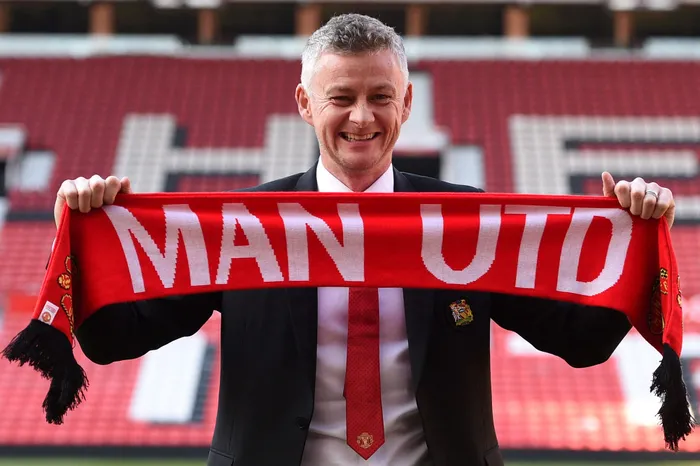
Former Manchester United manager and striker Ole Gunnar Solskjaer is now seen as one of the favourites to be appointed on an interim basis by the club.
Image: Oli Scarff/AFP
There are football clubs in crisis, and then there is Manchester United – a club so committed to chaos that even pressing the reset button somehow involves scrolling backwards.
With Ruben Amorim’s tenure now filed neatly under ‘it seemed like a great idea at the time’, the familiar question is being asked at Old Trafford: who next? And more worryingly, who again?
Because whenever United wobble, the temptation grows to bring back a “safe pair of hands” – a former manager, a known quantity, a nostalgic comfort blanket – to “steady the ship” on an interim basis. José Mourinho. Ole Gunnar Solskjær, even the whisper of Erik ten Hag’s name will probably re-emerge if someone leaves the lights on too long in Carrington.
It would be insanity, however comforting it would seem at the time.
United have spent more than a decade proving that going backwards does not magically move you forward. Yet the club remains oddly convinced that if you replay the same track often enough, it might suddenly become a different song. Like the country song played backward, when you get your wife, your dog and your pickup truck back.
Let’s start with the logic. Former managers are former for a reason. They were not unlucky, misunderstood, or victims of bad timing. They were tried, tested and ultimately found wanting. Bringing them back – even “just until the end of the season” – doesn’t buy stability. It buys time while reopening old wounds.
Take Solskjær, who is universally liked, deeply respected, and forever associated with happier vibes than the current gloom that their FA Cup exit at the weekend did little to dispel. But Ole’s reign didn’t end because of bad luck or a single freak run of results. It ended because United had hit a ceiling – tactically, structurally, and mentally. That ceiling hasn’t magically lifted since he left. If anything, the roof has caved in under the new owners.
Even Ten Hag, who won silverware in his tenure, cannot be rebooted like a corrupted hard drive. The problems he faced – recruitment chaos, mismatched squad profiles, a boardroom unsure whether it wants to be modern or nostalgic – still exist. The manager wasn’t the system, he was crushed by it.
This is the key point United keep missing: the manager is not the disease, merely the most visible symptom of it.
Every interim appointment at Old Trafford has followed the same script. Initial new-manager bounce, players “taking responsibility”, a run of wins fuelled by adrenaline and lowered expectations. Then reality sets in, followed by regression, and another expensive rethink.
Recycling old managers only accelerates that loop. It’s Groundhog Day at Old Trafford, with none of Bill Murray’s charm.
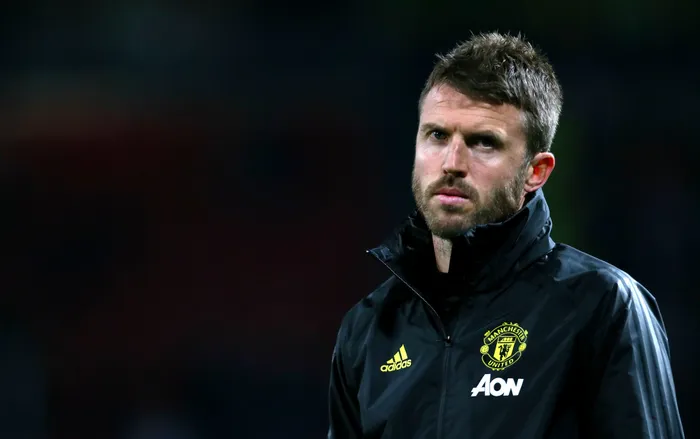
Former Manchester United star Michael Carrick is also in the running for the role of interim manager after the sacking of Ruben Amorim.
Image: RIchard Sellers
There’s also the message it sends – to players, fans and potential future coaches. If United’s solution to every crisis is to rummage through the attic, why would an ambitious, elite manager trust the club to back a long-term project? Why would players believe in a new direction if the road signs all point backwards?
Pep Guardiola doesn’t consult former Bayern Munich coaches when Manchester City wobble. Arsenal didn’t bring back Unai Emery when things got ugly – they committed to a vision under Mikel Arteta. Liverpool didn’t ask Roy Hodgson for a six-month rescue mission. Progress, uncomfortable as it is, requires clean breaks.
That's what United need, not another reunion tour or familiar face to calm the waters while the cracks in the hull grow bigger. They need leadership willing to accept short-term pain without reaching for old solutions that failed under different circumstances but the same flawed structure.
With signs pointing to Michael Carrick getting the nod ahead of Olly, the bosses at Old Trafford may finally be getting the picture.
Because if Manchester United truly want to steady the ship, the answer isn’t in the past. It’s not wearing an old tracksuit, replaying old battles, or trotting out hackneyed press lines.
It’s ahead of them – messy, uncertain, and frightening. But at least it would be something new.