

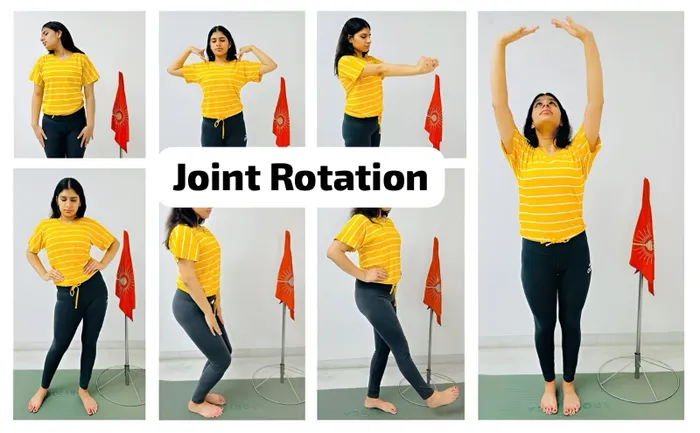
Joint pain during Autumn is common, not simply because of age, but because of swelling in soft tissues due to falling air pressure and reduced internal lubrication, says the writer.
Image: Supplied
THE maintenance of balance among the various constituents of the body greatly depends on one's dietary habits and the routine that one follows. One who resorts to a balanced diet and regimen in accordance with changing seasons and his own prakriti, can rarely fall sick.
Summer heat is extremely drying and stressful on the body, causing dehydration and loss in strength. Intake of rose, sandalwood and khus in the form of sherbets helps to regain the strength. Autumn is the season of purification. In this season, sweet, light, cold and bitter foods are to be taken in proper quantity.
One should also avoid taking fat, oil and meat (of aquatic and marshy animals), alkaline salt preparations and curd during this season.
Joint pain during autumn is common, not simply because of age, but because of swelling in soft tissues due to falling air pressure and reduced internal lubrication. Ayurveda attributes this to a disruption in the flow of prana due to blockages and the drying up of sukra, which normally cushions and lubricates joints.
Yogic practices, especially six-joint rotations: neck, shoulder, wrist, hip, knee and ankle, which when performed with internal awareness of the joints, keeping the eyes closed and synchronising with the Ujjai breath, help in strengthening the joints.
Each joint needs to be rotated seven times in one direction, and seven times in the reverse direction. All rotations are to be performed without straining any part of the body. These joint rotations are highly effective in restoring balance in the body.
Seasonal allergies spike during this time, and Ayurveda views them not merely as the body’s response to an incompatible pranic force.
Suppressing them with antihistamines may offer temporary relief, but can confuse the body’s natural intelligence, and deepen imbalance. Ayurveda instead prescribes cleansing and strengthening practices for this.
- Jal Neti: for allergies, Ayurveda prescribes jal neti (nasal cleansing with saline water), which removes allergens before they penetrate deeper. It is effective in ridding the body of flu viruses from the nasal tract before they enter the bloodstream and cause diseases. It should be followed by putting warm cow’s ghee in the nostrils, which lubricates membranes and strengthens natural defense.
- Herbal tea: in addition, a powerful herbal tea can provide significant relief from respiratory allergies
250g green tea leaves
50g banapsha
25g mulethi (licorice)
12.5g black pepper
12.5g cinnamon
25g green tulsi leaves
12.5g saunth (dry ginger powder)
Mix all the ingredients in a copper or earthen pot, ensuring even distribution. Store in a glass jar. To prepare, steep one teaspoon in boiling water for five minutes, cover, and sip without sugar or milk. This blend remains potent for 60 days and acts as a natural shield against seasonal allergens
- The power of amla and rasayanas: Ayurveda also highlights rejuvenators like amla (Indian gooseberry) which are rich in vitamin C and immunity-boosting properties. Amla can be consumed in chutneys, candied pieces and juice, or preserved in honey. It forms the base of chyawanprash, an ancient rasayana made with over 45 herbs, cow ghee, sesame oil, saffron, sandalwood and honey. Traditionally prepared chyawanprash is a powerhouse for respiratory health, stamina and overall vitality. Combining amla with cow’s ghee and honey further enhances its potency, supporting immunity while balancing seasonal disturbances.
Abdominal breathing maximises the up-and-down movement of the diaphragm, and ensures that lungs function at their optimal level.
Nadi Shodhnam is a powerful cleansing pranayama.
Sit straight, preferably in Vajrasana (a simple, kneeling, meditative yoga asana). Put your middle finger between your eyebrows. Your ring finger presses your left nostril and your thumb is on your right nostril. You inhale from your left nostril and exhale through your right. And then inhale through your right nostril and exhale through the left. This is one cycle.
As you inhale, fill your stomach with air and push it out. There should be a hissing sound coming from your throat. On exhalation, your stomach is pulled in. You inhale to the count of four and exhale to the count of 12. It should be a rhythmic movement without any breath retention. These pranayamas not only bring the body in a state of balance, but also increase the efficiency of the body.
Autumn’s hidden health challenges need not overwhelm us if we align with Ayurvedic wisdom. By honouring seasonal rhythms, adjusting diets, cleansing the body, and adopting simple yet profound practices, we can thrive during this transition.
* Disclaimer: It is always recommended to consult a qualified Ayurvedic practitioner to receive individualised treatment.