

Try yoga for hormonal balance and emotional well-being.
Image: Supplied
Perimenopause, referred to in Ayurveda as Rajonivritti Kala, marks the natural transition from a woman’s reproductive years to menopause.
The term itself explains the process – “Raja” meaning menstruation, “Nivritti” meaning cessation, and “Kala” denoting a period of time.
This phase is not merely a biological change but a profound transformation involving hormonal fluctuations that influence physical, emotional and psychological well-being. Ayurveda recognises this stage as a Vata-dominant phase, where qualities like dryness, lightness and instability become more prominent in the body.
The symptoms of perimenopause include irregular periods, body pain, joint pain, fatigue, dryness (skin and vaginal dryness), hot flashes, night sweating, abdominal discomfort, weight gain, disturbed sleep, brain fog, anxiety, mood swings, etc.
Implementing lifestyle modifications is crucial in maintaining good health, and effectively managing symptoms. These include:
- Abhyanga or oil massage: use warm sesame oil for a body massage. This helps in reducing stress, improves blood circulation, reduces dryness of the skin, helps relieve body pain, and promotes sound sleep. An oil massage should be followed by a bath with lukewarm water.
- Diet: This is the foundation of hormonal balance. A nourishing, warm and grounding diet helps pacify Vata and supports overall health.
* Include fresh green vegetables, cow milk, cow ghee, dates, and nuts like raisins, walnuts and almonds, in your diet.
* Sesame seeds and millets help in bone health.
* Include herbs like ginger, cumin, coriander, fenugreek seeds, fennel seeds and carom seeds (ajwain) to boost the metabolism and to reduce bloating.
* Food rich in phytoestrogens like flax seeds, soy products, sesame seeds and legumes, like chickpeas, help in balancing the hormones.
- Herbal support: herb like shatavari (from the asparagus family, commonly known as the queen of herbs) with its cooling properties is useful for hot flashes and excessive sweating. Take half a teaspoon of shatavari with a cup of warm milk in the morning.
- Black raisin soup: for fatigue and tiredness try black raisin soup. Soak 15 black raisins in a glass of water overnight. The next day, boil and strain it. Add cumin powder and rock salt. This black raisin soup is a coolant. It improves haemoglobin and is refreshing.
Try yoga for hormonal balance and emotional well-being.
Image: Supplied
Yoga for hormonal balance and emotional well-being
Sanatan Kriya, which is a yogic Kriya, brings one in a state of balance. Asanas beneficial at this time are:
- Chakki chalana: sit with your legs extended and bring the soles of the feet together to form a diamond shape. Interlock the fingers and stretch the arms forward. Gently rotate the torso in a circular motion, mimicking a grinding wheel, moving forward and backward with comfort. Practise seven rotations in each direction, co-ordinating your breath with the movement. This asana massages the pelvic region and supports menstrual regulation.
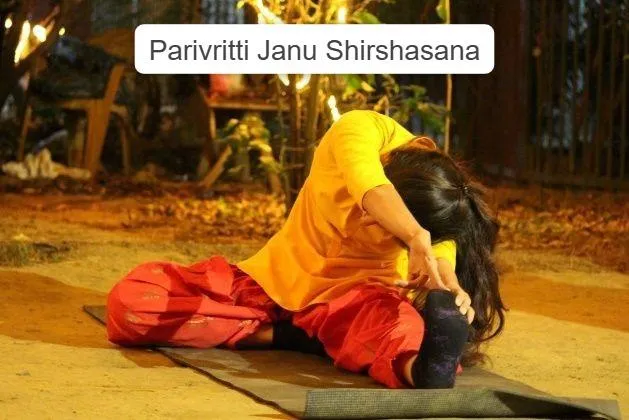
- Parivritti janu shirshasana: sit upright with your legs spread wide. Bend the left knee, placing the heel near the perineum, while keeping the right leg extended sideways. Inhale and raise the left arm, then exhale and stretch it over the head towards the right foot, holding the foot with both hands. Gently bring the head towards the knee and hold the posture while breathing in ujjai. Return slowly and repeat on the other side.
- Gomukhasana: sit comfortably and fold the left leg so the heel rests near the right buttock, then place the right leg over it so the knees are stacked. Raise the right arm overhead and bend it behind the back, bringing the left arm from below to clasp the hands. Keep the spine straight and maintain ujjai breathing to release tension and calm the mind.

Try yoga for hormonal balance and emotional well-being.
Image: Supplied
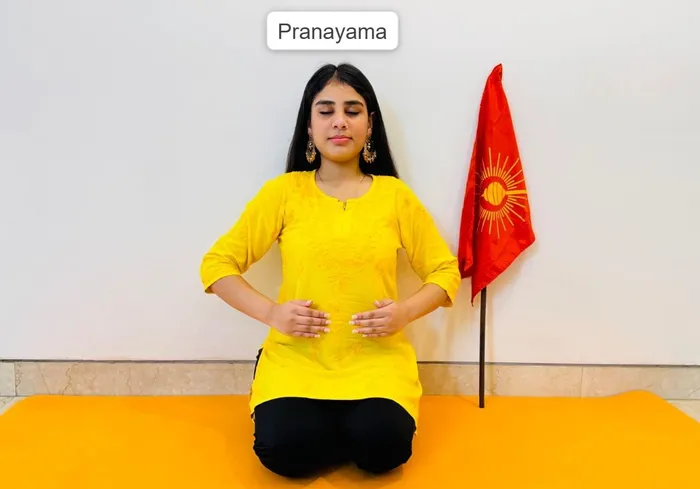
Pranayama: calming the mind
Regular breathing practices like Ujjai Pranayama and Nadi Shodhnam Pranayama help stabilise emotions and reduce stress. Perimenopause is not a disorder, but a natural transition – a time to slow down, nurture oneself, and restore inner balance.
* Disclaimer: It is always recommended to consult a qualified Ayurvedic practitioner to receive individualised treatment.