

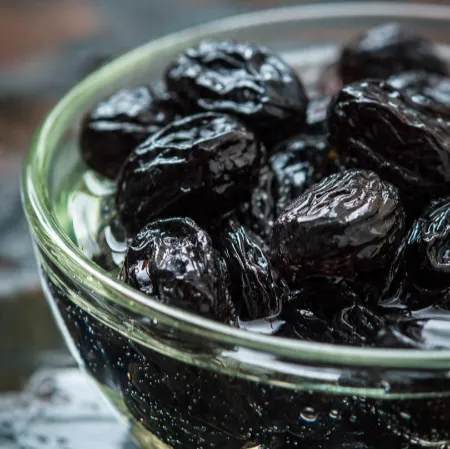
The writer suggests soaking dates or black raisins in water overnight and consuming them in the morning.
Image: Meta AI
OUR bodies survive on prana. There are many sources of prana that provide vital nourishment to the body – food, air, water, sunlight, breath and many subtle forces. Of all kinds of food available in nature, some build up tissues, some blood, some aid immunity, some expel waste and some provide energy to work, when taken in appropriate measure at the right time and in accordance with one's constitution.
The diet and regimen that one follow, play a vital role in the preservation of the body in the long run. Iron is an important mineral in our body for the production of red blood cells. It is essential for forming haemoglobin, which carries oxygen from the lungs to the rest of the body. It supports brain function and cognitive development, especially in children, and helps maintain a strong immune system.
Inadequate intake of iron from food, improper absorption of iron due to gastrointestinal disease like celiac disease or Crohn's disease, medical conditions like kidney failure or loss of blood due to injury, gastrointestinal bleeding, bleeding piles or heavy menstruation in women, cause iron deficiency.
The symptoms of iron deficiency include fatigue, tiredness, shortness of breath, pale dull skin, soreness in mouth, dizziness, and dry, brittle hair.
In Ayurveda, anaemia is correlated with a disease called Pandu Roga.
Pandu means pallor, pale yellowish white colour. Ayurvedic describes eight dhatus in the body –Rasa, Rakta, Mansa, Meda, Asthi, Majja, Sukra and Sattva. These dhatus are produced from the digestion of food that we have eaten.
Rasa (lymph) is formed. From Rasa, akta (blood) is formed, and so on. Pandu is caused by pitta imbalance combined with weak digestion (Agni).
Ayurvedic texts mention that when the pitta dosha in our body gets vitated, it affects vata and kapha also, and leads to weakness due to depleted Rasa and Rakta tissues. Consuming too much of sour, salty and spicy food, sleeping during the day, doing heavy exercises right after meals, consuming non-compatible foods, heavy menstrual flow in females, bleeding piles, intestinal worms and diseases which prevent the body from absorbing iron, cause Pandu.
Treating the cause of blood loss is essential. Consuming a wholesome diet rich in iron is essential. Foods rich in iron include legumes like chickpeas and rajma, etc; green leafy vegetables like spinach, kale, bathua, moringa leaves and beetroot; and seeds like sesame seeds, dates, black raisins and apricots, and fruit like pomegranate and amla.
Cooking food in cast iron also helps increase the iron content.
Simple tips include:
* Fresh amla juice is a good source of vitamin C. It helps in the absorption of iron. If fresh juice is not available, take 1 teaspoon of amla powder with a glass of water. One can also replace lemon with amla in chutneys and pickles. Amla can also be preserved in honey and eaten daily. The juice of beetroot and amla is also a good source of iron.
* Soak dates and black raisins in water overnight. Consume them in the morning.
* Half a spoon of lightly-roasted black sesame seeds can be eaten after food.
* Avoid consuming tea and coffee within an hour of iron-rich meals as they can block iron absorption.
Reducing stress, increasing rest, and avoiding highly-processed and overly-acidic foods also helps to balance pitta. Too little iron is harmful, but excess iron is also not good. Supplements should only be taken when needed, and not as a routine.
* Disclaimer: It is always recommended to consult a qualified Ayurvedic practitioner to receive individualised treatment.